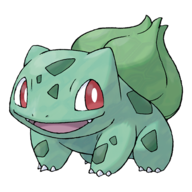
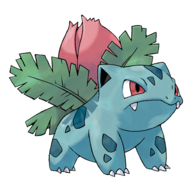
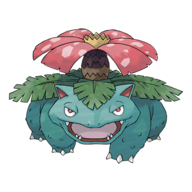
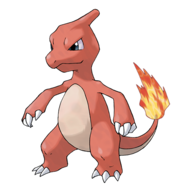
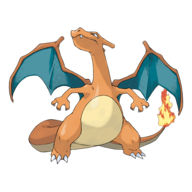
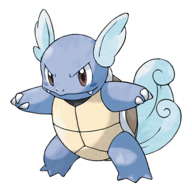
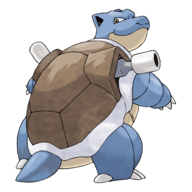
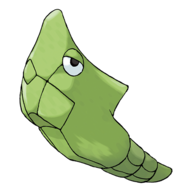
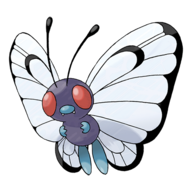
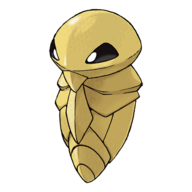
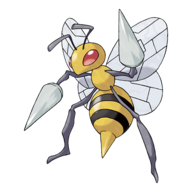
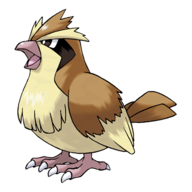
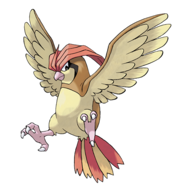
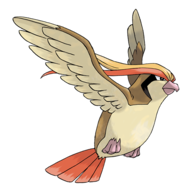
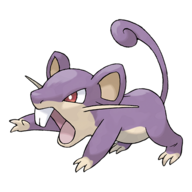
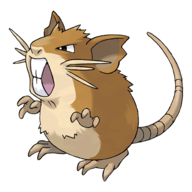
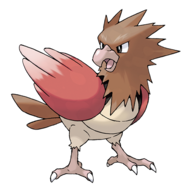
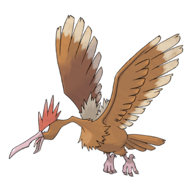
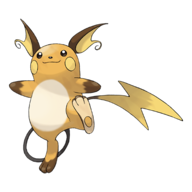
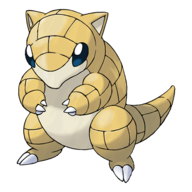
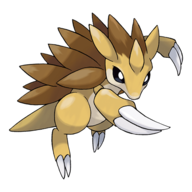
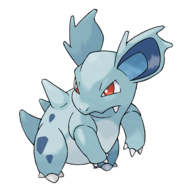
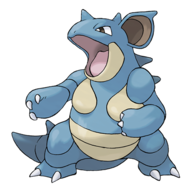
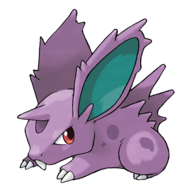
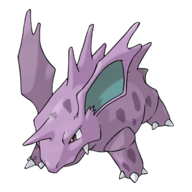
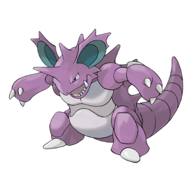
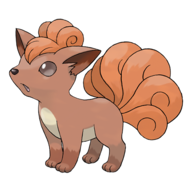
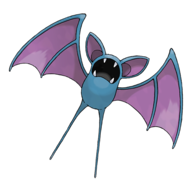
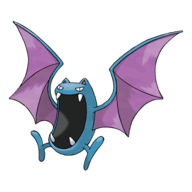
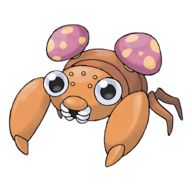
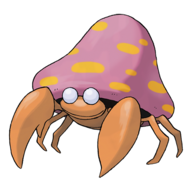
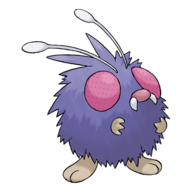
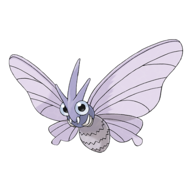
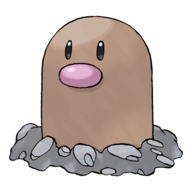
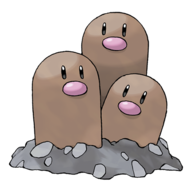
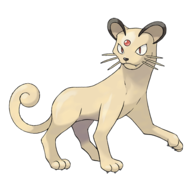
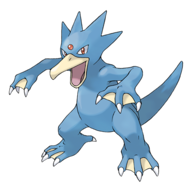
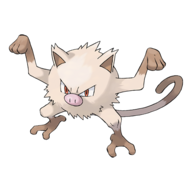
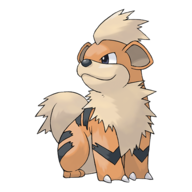
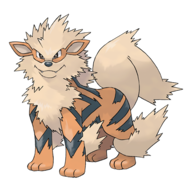
The whole National Pokédex, plus regional forms and Megas that the games do not list under their own number. Search by name or number, narrow down by type and generation. The colored bar at the top of a tile is the primary type; the number in the corner is the base stat total — the shortest answer to “is this one strong?”
This is the national numbering. If you are looking for a list in the order a specific game uses, open the regional Pokédexes — there are 26 of them, and each one starts counting from the beginning.
How many Pokémon are there in 2026?
The current National Pokédex has 1,350 species (from Bulbasaur, No. 1, to Pecharunt, No. 1025), and together with regional and special forms there are 1,350 entries in this Pokédex. The number grows with every generation of games: from the 151 creatures of Kanto in 1996 to the tenth generation, with Megas and forms (Alola, Galar, Hisui) listed separately alongside them, each with its own entry numbered 10,001+.
Frequently asked questions
- What is a Pokédex?
- An encyclopedia of Pokémon: for every species it collects the type, base stats, weaknesses, evolutions, moves and locations. This one takes you from each tile straight to the full species entry.
- How is a regional form different from the regular one?
- Some species have variants from specific regions (e.g. Alolan Ninetales is Ice/Fairy instead of Fire) — they have a different type and stats, so they get their own entries with a separate number (10,001+).
- How do I find a Pokémon without its number?
- Type its name into the search above or narrow the list down by type and generation. The number on each tile is the national number — the same one the games and cards use.